Typical Battery Current Leakage With Engine Turned Off Complete Content Download #932
Launch Now typical battery current leakage with engine turned off premier webcast. No recurring charges on our entertainment portal. Be enthralled by in a immense catalog of curated content presented in excellent clarity, essential for superior streaming admirers. With just-released media, you’ll always never miss a thing. Seek out typical battery current leakage with engine turned off specially selected streaming in breathtaking quality for a truly engrossing experience. Sign up today with our community today to watch exclusive prime videos with totally complimentary, registration not required. Get access to new content all the time and experience a plethora of distinctive producer content built for elite media lovers. This is your chance to watch never-before-seen footage—get a quick download! Indulge in the finest typical battery current leakage with engine turned off rare creative works with sharp focus and editor's choices.
However, when the engine is turned off, the battery is still connected to the electrical system, and it continues to draw a small amount of current, known as the parasitic drain or standby current Understanding the current draw on your. This current can be significant enough to drain the battery over time, especially if the vehicle is not driven regularly.
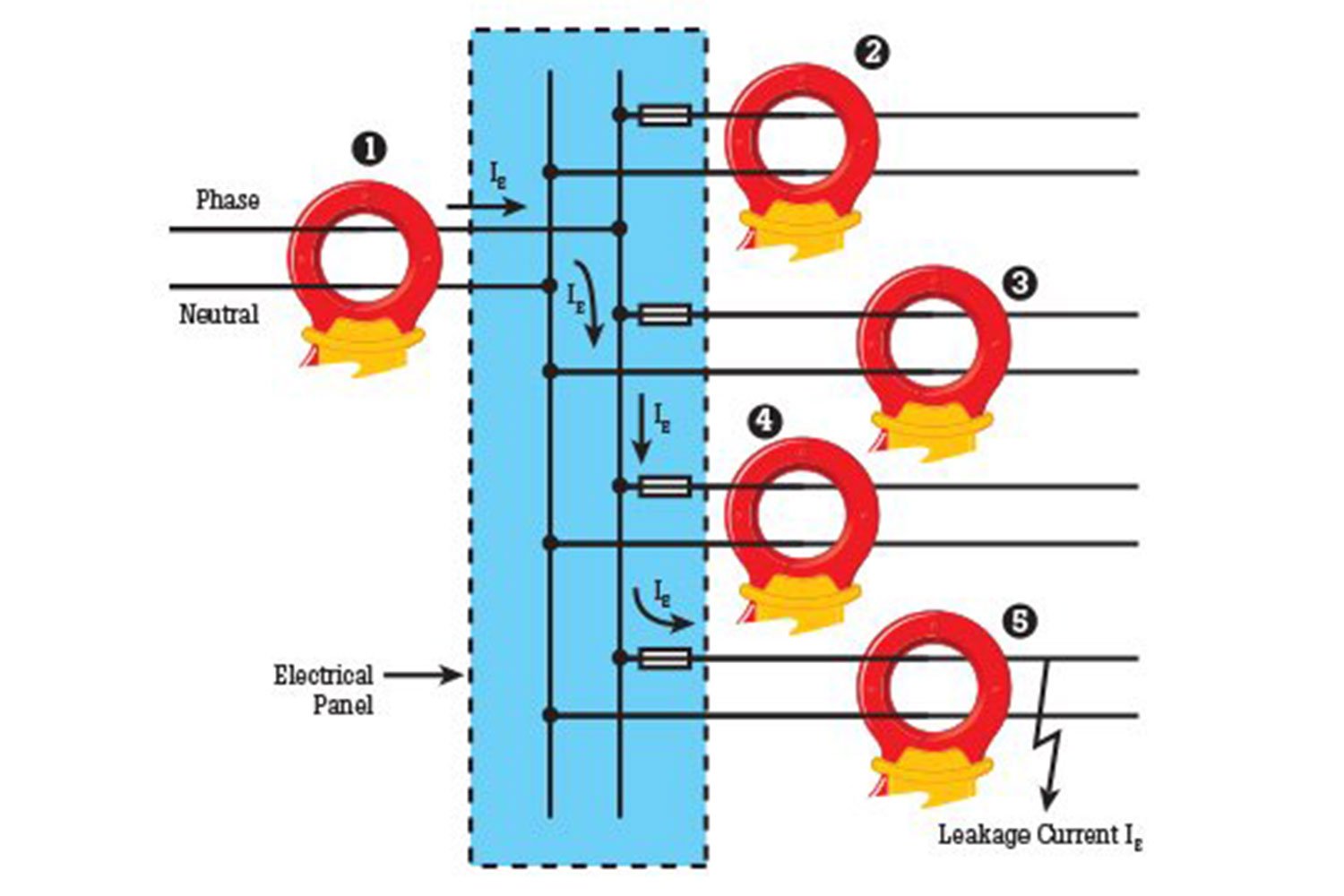
Why Controlling Leakage Current is Important | Fluke
Assuming you're asking how much current draw is normal for a car battery (you can hook a house fan to a car battery when the engine is off and all accessories are off Does the battery simply sit idle, or is there a constant drain on its precious energy reserves The answer, unfortunately, isn't very cut and dry
Every car is different, and there are a number of factors that can affect the amount of current drawn from the battery.
A car battery can be drained while it is off due to factors like interior lights left on, faulty wiring, bad fuses, corroded alternator diode, electrical glitches, ineffective charging. The key to long life for any battery is to make sure battery voltage doesn't drop below 12.4 volts When that happens, sulfation begins to diminish both capacity and performance. A dead car battery is an inconvenience that can happen unexpectedly, leaving you stranded and searching for a jump start
While car batteries naturally lose charge over time, certain factors can cause them to drain more quickly, even when the engine is off. A car battery, when the vehicle is off, should ideally draw a minimal current—typically between 20 and 50 milliamps (0.02 to 0.05 amps) This parasitic draw powers critical systems like security, memory, and electronics but excessive draw above 75 milliamps can deplete the battery prematurely. The defective diode can cause a lot of trouble because it charges the circuit even when the engine is off

Points to remember how many amps a car battery draws.
Be aware that some electrical loads like radios and power amps can draw low current when you turn them off with the power switch If you disconnect power by removing a fuse (or removing a battery cable), the current drain may go away when you hook the connection back up Turning the device back on and then off causes the discharge to reappear. 0.10 amps will kill your battery quick like, you should get it down as close to 0.00 amps as possible
My experience was that to keep the radio stations, etc It takes about 0.01 amp on the meter. Your car battery is the heart of your vehicle's electrical system, providing the initial jolt needed to start the engine and powering everything from your headlights to your infotainment system But what happens when your car is parked and turned off

Typical Battery Current Leakage With Engine Turned Off Complete Content Download #932
Start Viewing deluxe typical battery current leakage with engine turned off with lifelike detail on-demand. Continuously updated & unlocked for everybody on our state-of-the-art media hub.